

What is the CCK Project?
The CCK Project for Community, Connection, and Knowledge is a social initiative under DHT Consulting & Training.
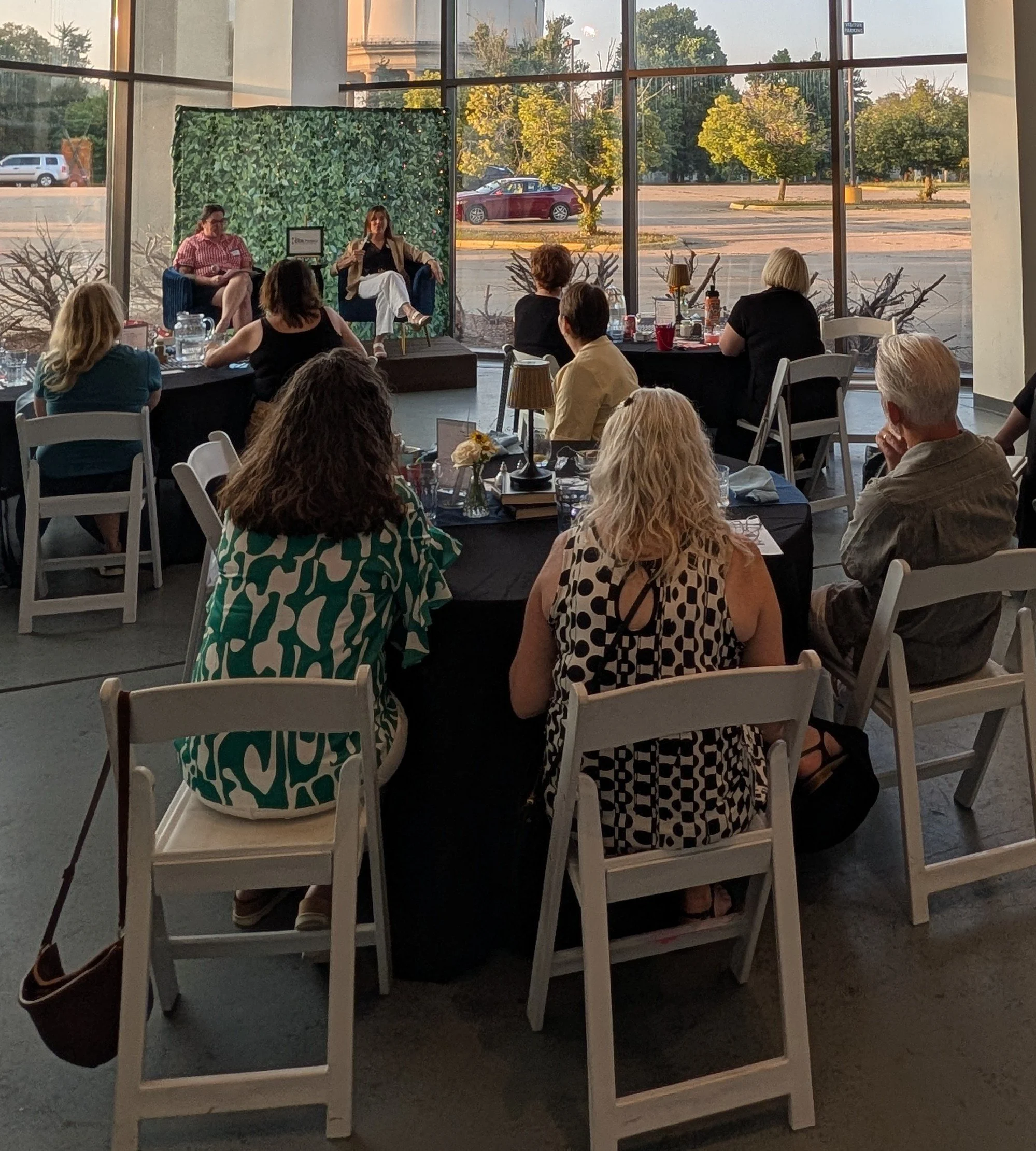
We bring Iowans together through engaging events, conversations, and learning experiences that strengthen community connections, increase civic knowledge, and promote well-being.
By creating welcoming spaces for connection and dialogue, CCK helps people feel informed, empowered, and connected to the issues that shape their lives and communities.
Building Community

Finding connections
Gaining knowledge
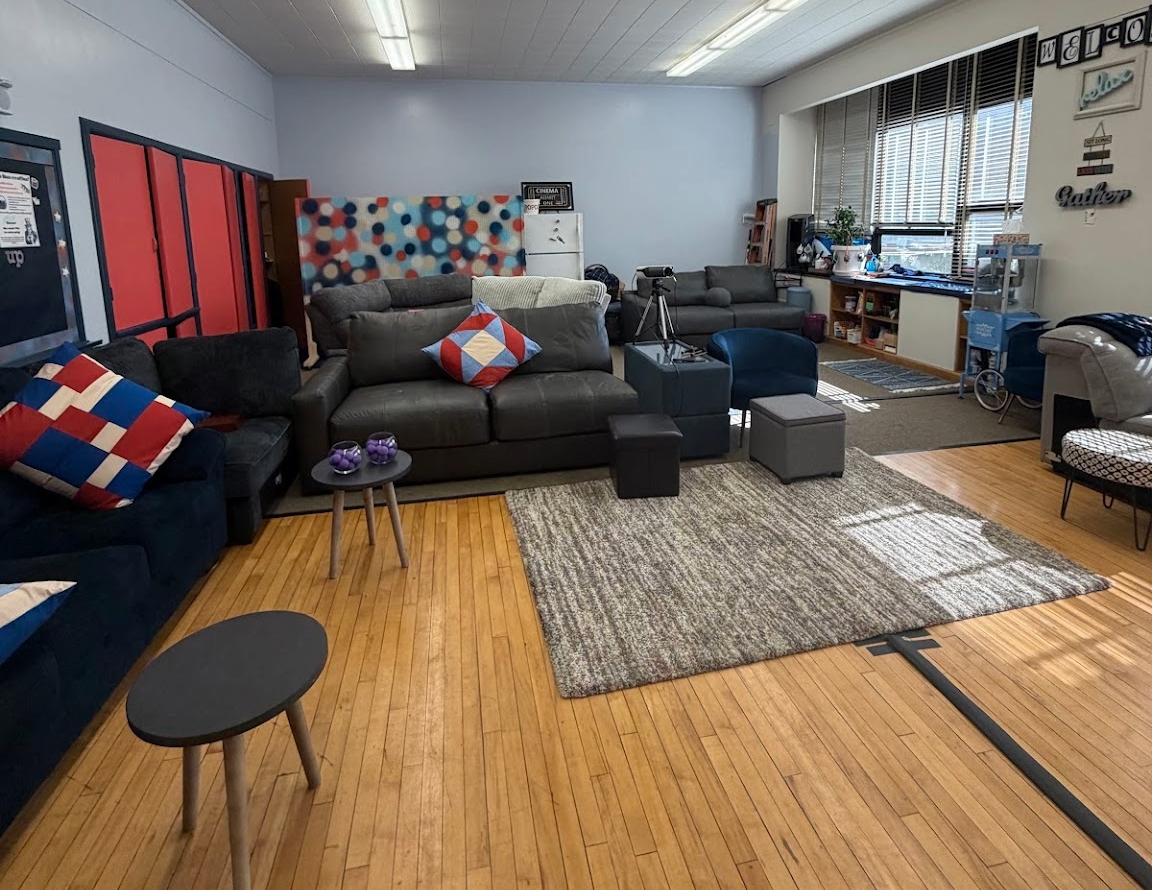

Building community
Strong communities are built through connection, and CCK is designed to create those connections.
By bringing people together regularly around shared experiences, conversations, and activities, CCK helps participants develop authentic relationships, expand their social networks, and find a greater sense of belonging.
The result is a stronger, more connected community where people feel supported, valued, and invested in one another's success.

Finding connections
CCK helps people find both useful information and meaningful connections.
Through shared experiences and recurring gatherings, participants learn about issues affecting their communities while building relationships with others who want to learn, grow, and make a difference.
Whether someone is looking to meet new people, broaden their perspectives, or become more involved in their community, CCK offers a welcoming place to connect.
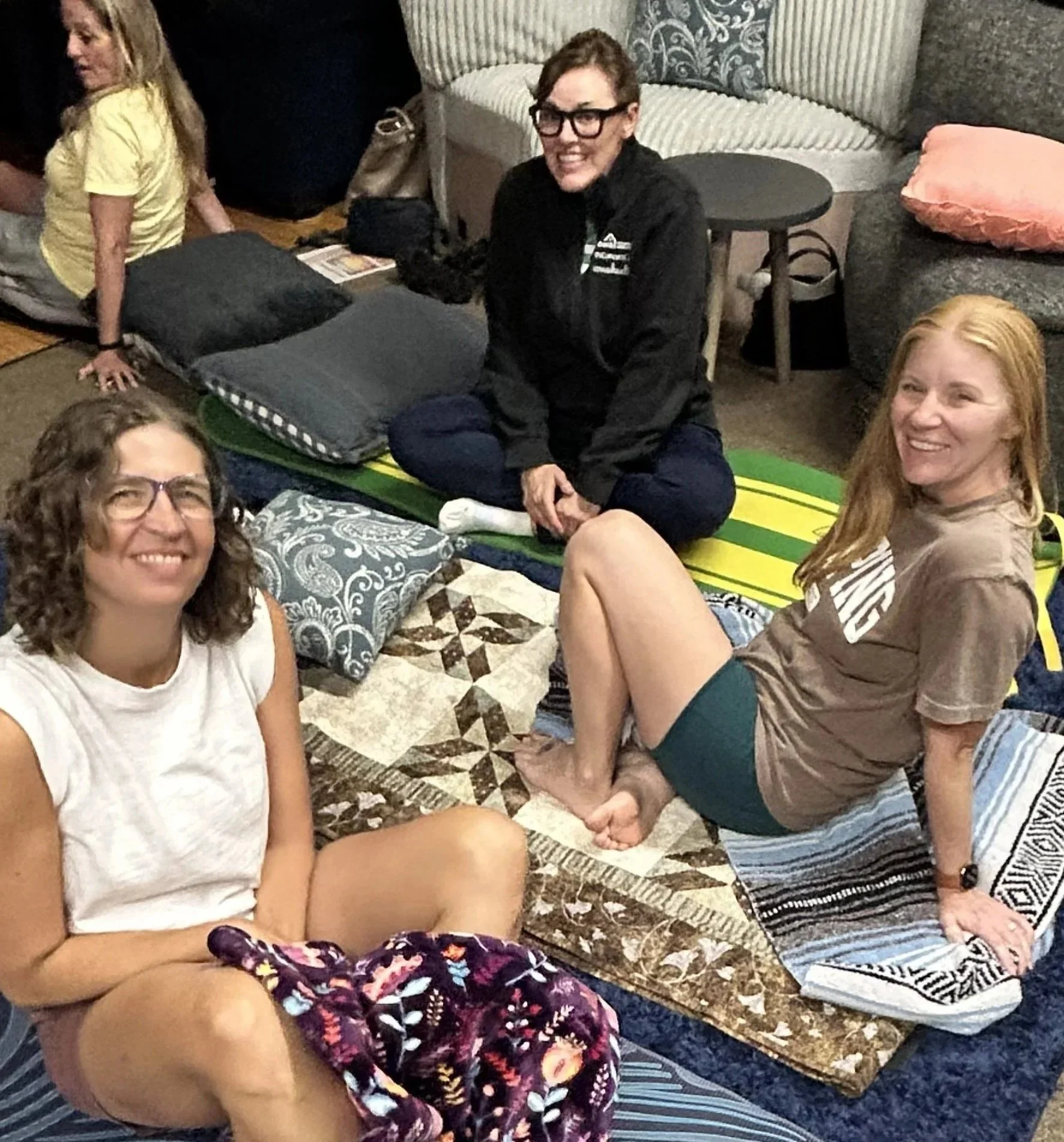
Gaining knowledge
CCK makes learning approachable, engaging, and enjoyable.
In a relaxed setting, participants can explore topics that affect their communities, ask questions, hear different perspectives, and learn at their own pace.
Whether through conversations, games, workshops, or shared experiences, CCK helps people build knowledge and confidence without the pressure (and boredom!) of a classroom or formal meeting.
upcoming events
This video introduces Moral Foundations Theory, which suggests that people rely on six core moral foundations, care, fairness, loyalty, authority, sanctity, and liberty, when making judgments about right and wrong.
It also explains Jonathan Haidt's rider-and-elephant analogy, where intuitive emotions (the elephant) often guide decisions before rational thought (the rider) explains them.
Understanding these concepts can help communicators craft messages that better connect with different audiences' values.
Based on Haidt, J. (2012). The Righteous Mind: Why Good People Are Divided by Politics and Religion. New York: Pantheon Books.